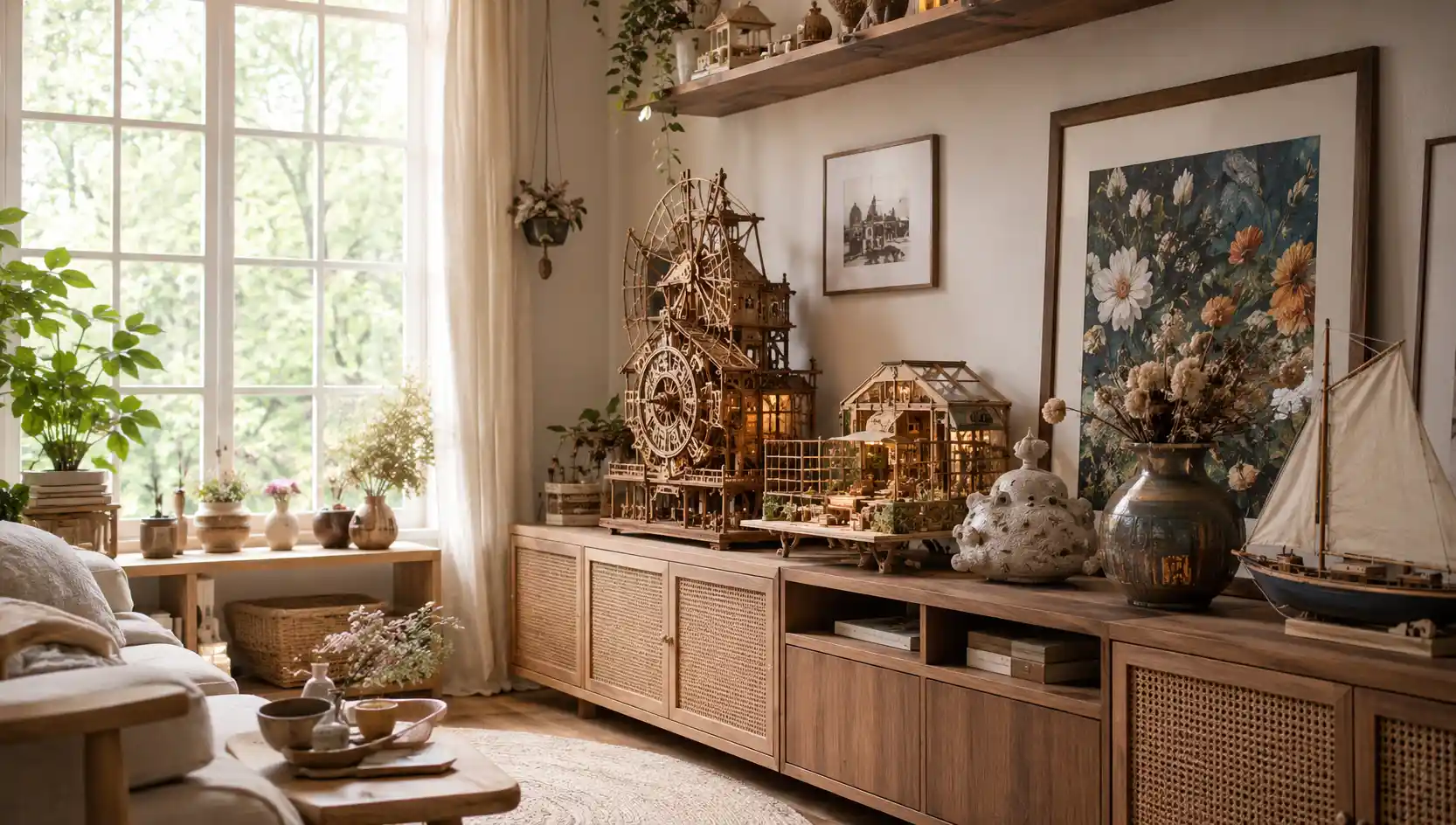
Handmade decor can easily feel cluttered or unfinished unless it’s styled with intention, balance, texture, and a clear visual rhythm.
Table of Contents
Why Handmade Home Decor Trends Feel More Relevant Than Ever
For years, polished interiors dominated design magazines. Rooms looked visually perfect, but many of them also felt strangely interchangeable. That shift explains why handmade home decor trends have become far more visible in recent interiors focused on individuality, texture, and slower living.
People are moving away from spaces that feel overly staged. Instead, there’s growing interest in interiors that reflect personal interests, creative hobbies, and collected experiences. Handmade objects naturally introduce variation, subtle imperfections, and tactile contrast — qualities that make a room feel lived-in rather than assembled from a catalogue.
This doesn’t necessarily mean filling a home with rustic crafts or overly decorative DIY projects. Modern handmade interior design trends tend to work best when craftsmanship is paired with restraint. A single well-finished object often creates more impact than dozens of smaller decorative pieces competing for attention.
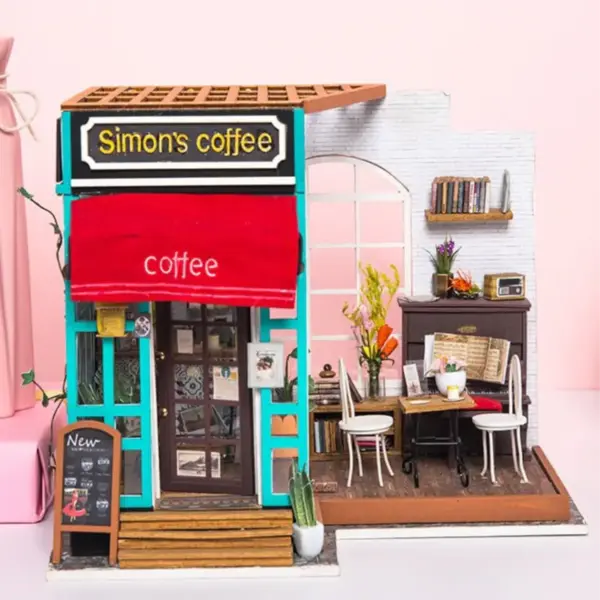
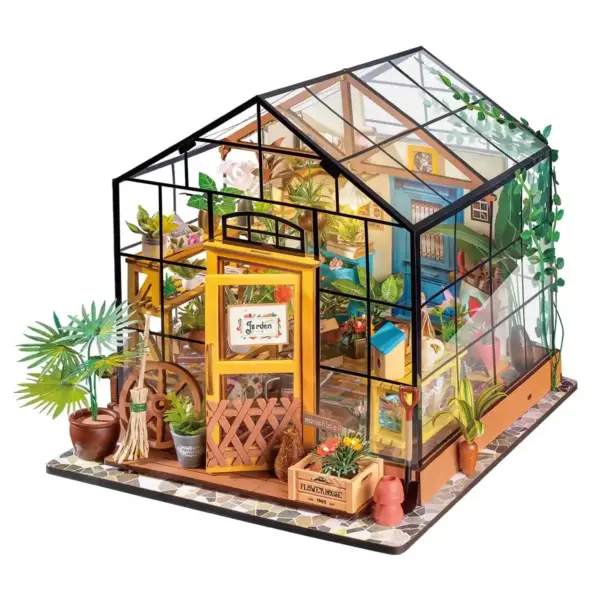
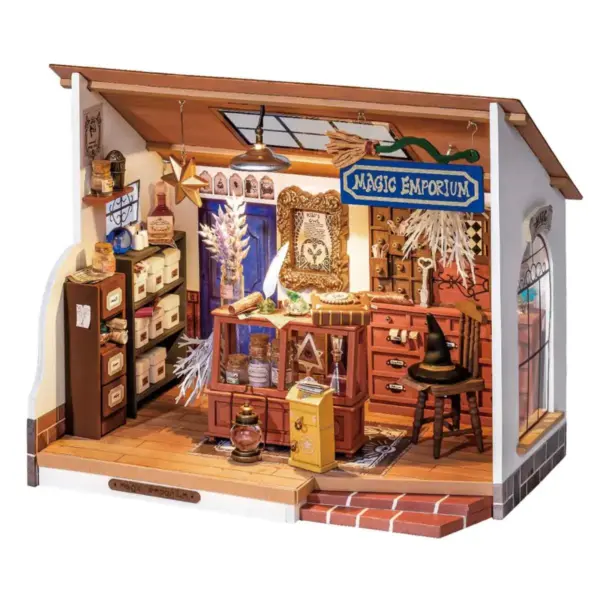
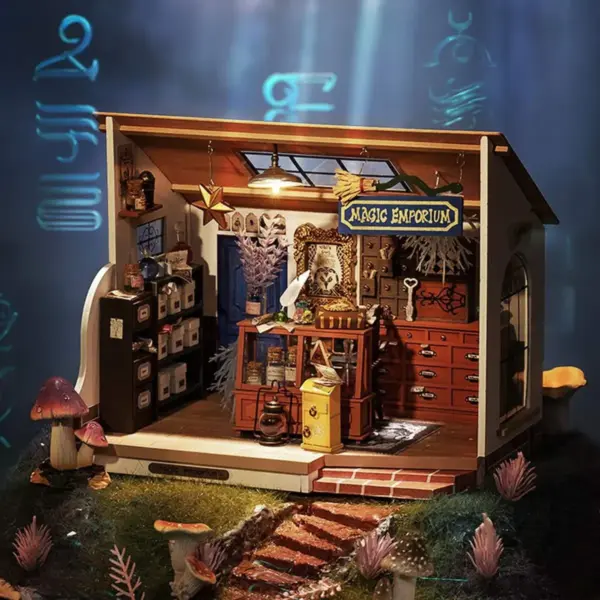
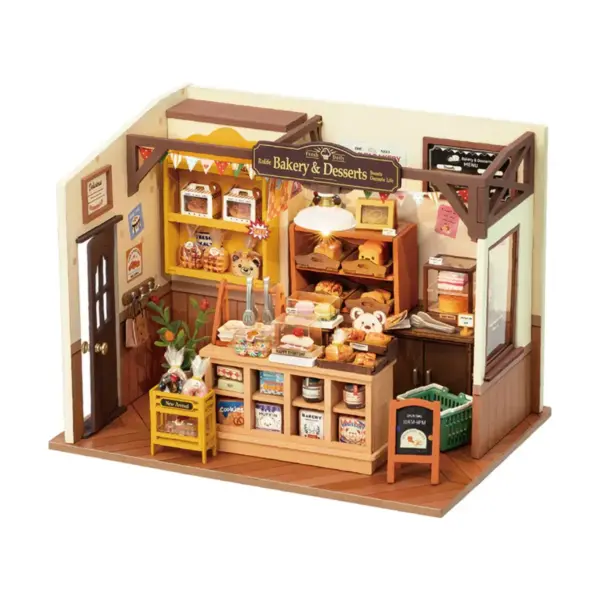
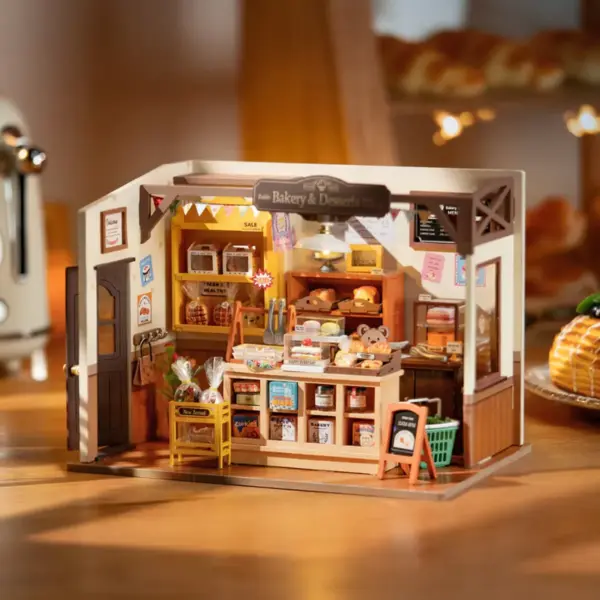
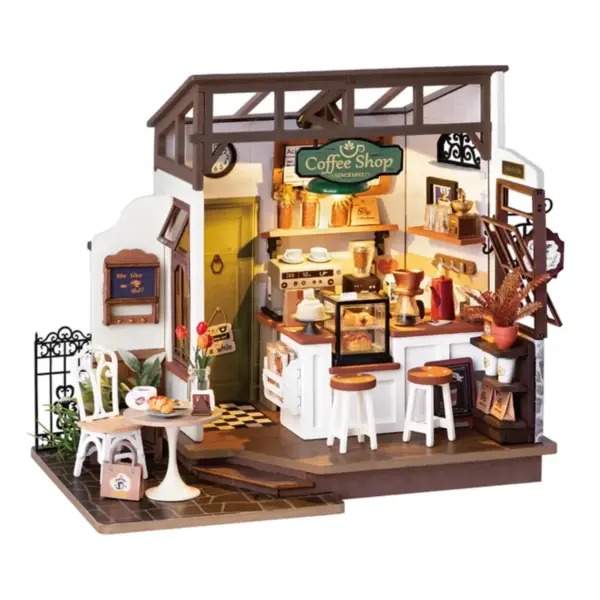
Another reason for this shift is the growing appreciation for process-driven hobbies. Activities like building miniature houses, assembling wooden mechanical models, creating diamond painting artwork, or finishing paint-by-numbers canvases fit naturally into the broader “slow living” movement. The finished result becomes part of the interior story rather than just another decoration.
Well-styled handmade decor also introduces something difficult to imitate with mass-produced accessories: authenticity. Even minimal interiors benefit from objects that carry visible effort, texture, and personality.
How Do You Decorate With Handmade Pieces Without Making a Room Feel Cluttered?
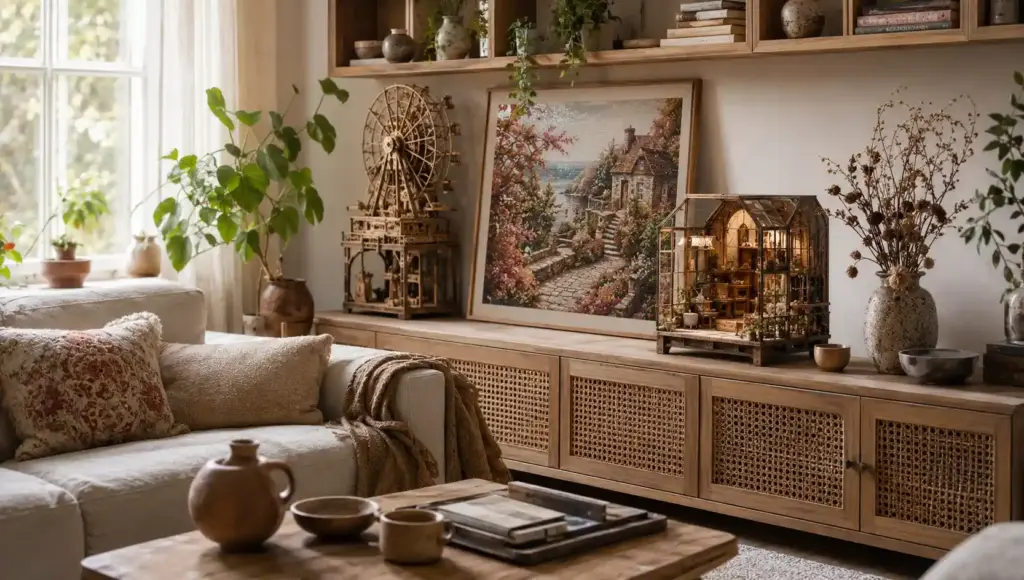
One of the biggest styling mistakes happens when every handmade item competes equally for attention. Handmade decor already contains visual complexity — textures, details, craftsmanship, irregularity — so overcrowding quickly creates visual fatigue.
A more refined approach starts with spacing.
Professional interior stylists often treat handmade objects as focal elements rather than background fillers. A carefully placed DIY masterpiece gains more visual weight when surrounded by calmer materials like linen, matte walls, natural wood, or neutral textiles.
Scale matters too. Smaller handmade accessories scattered everywhere can unintentionally create noise. Larger statement pieces tend to feel more intentional and sophisticated. A framed craft artwork, a detailed architectural model, or an intricate mechanical build can anchor a space far better than multiple tiny decorative objects.
Material consistency also helps handmade decor feel integrated rather than random. Rooms usually look more cohesive when repeated textures appear throughout the interior. For example:
- natural wood tones;
- warm lighting;
- muted textiles;
- handcrafted ceramics;
- soft matte finishes.
These repeated elements create visual continuity, even when individual objects differ stylistically.
Another overlooked factor is finishing quality. Handmade decor doesn’t need to look factory-perfect, but presentation still matters. Clean framing, intentional placement, balanced lighting, and uncluttered surroundings dramatically affect how DIY objects are perceived inside modern interiors.
The difference between “creative clutter” and “curated craftsmanship” often comes down to styling discipline rather than the object itself.
Why do some DIY decorations look unfinished in modern interiors?
DIY decor usually feels unfinished when too many competing textures, colors, or small objects appear in the same visual area. Balanced spacing, cohesive materials, and intentional placement help handmade pieces feel integrated instead of accidental.
What makes handmade decor feel sophisticated instead of overly crafty?
Sophisticated handmade interiors rely on restraint, texture balance, and presentation quality. Clean lines, neutral surroundings, and fewer but stronger statement pieces usually create a more refined effect.
Which Handmade Home Decor Trends Are Defining Modern Interiors?
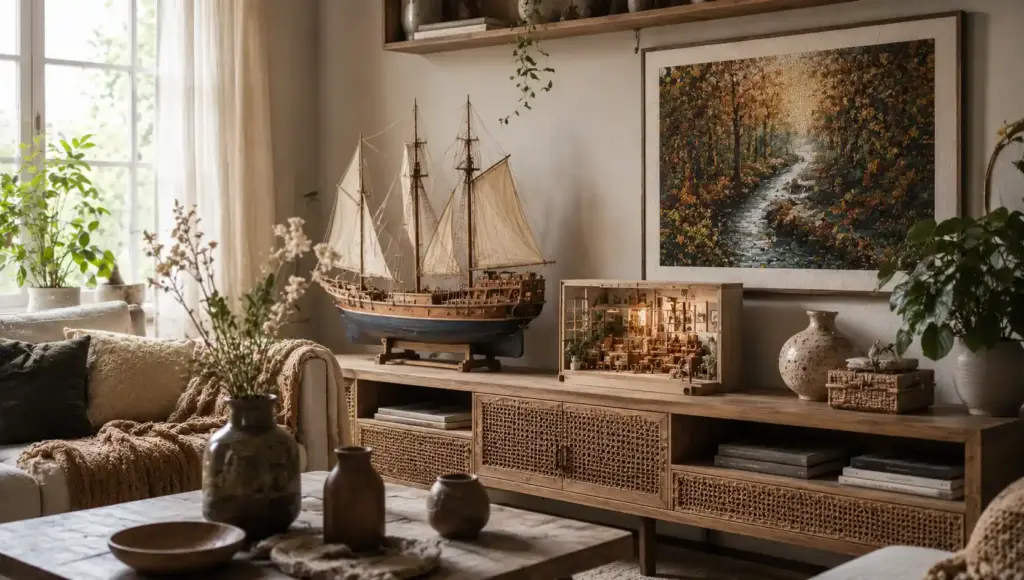
Several handmade home decor trends are shaping contemporary interiors right now, but they all share one common idea: spaces should feel personal rather than perfectly standardized.
Textured craftsmanship is replacing overly polished decor
Perfect symmetry and glossy surfaces are slowly giving way to tactile finishes and visible craftsmanship. Handmade textures add warmth that many minimalist interiors previously lacked.
This explains the popularity of:
- natural wood models;
- layered textile elements;
- hand-finished art pieces;
- artisanal ceramics;
- mixed-material decorative accents.
Slow living aesthetics continue influencing interior styling
The slow living movement has shifted attention toward objects connected to time, patience, and creative process. Handmade decor fits naturally into that philosophy because it reflects effort and intentionality.
Decorative hobby projects often become part of the room’s atmosphere rather than separate “craft objects.” Finished builds can function as conversation pieces while still supporting a calm, collected interior aesthetic.
Bespoke interiors are becoming more important than matching furniture sets
Modern interiors increasingly favor individuality over uniformity. People are mixing styles, textures, and creative influences instead of following one rigid design category.
That’s why eclectic handmade styling works particularly well today. A carefully curated mix of contemporary furniture, handmade artwork, miniature architectural scenes, and tactile decorative objects often feels more authentic than highly coordinated interiors.
How Can Handmade Decor Work Inside Minimalist or Contemporary Spaces?
A common misconception is that handmade decor only works in rustic or vintage interiors. In reality, contemporary spaces often benefit the most from handcrafted contrast.
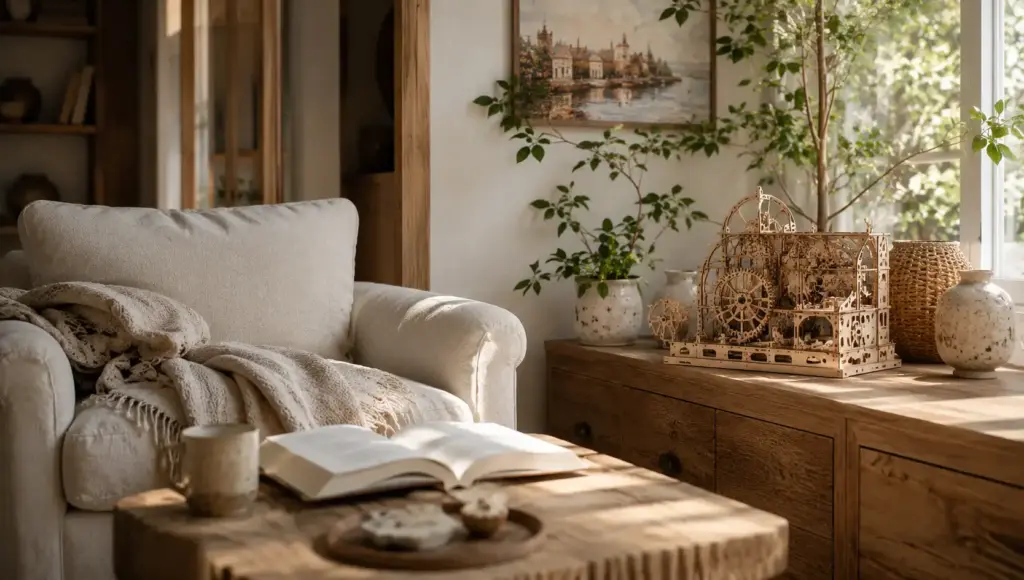
Minimalist rooms sometimes feel visually cold because every surface appears too controlled. Handmade pieces introduce subtle unpredictability — texture variation, intricate details, layered materials — without necessarily disrupting a clean aesthetic.
The key is contrast management.
Highly detailed DIY objects usually perform better when paired with:
- neutral color palettes;
- negative space;
- simple furniture silhouettes;
- restrained decorative styling.
This balance allows craftsmanship to stand out naturally.
Lighting also changes how handmade decor is perceived. Warm directional lighting tends to emphasize texture and depth, making handcrafted details feel intentional rather than visually busy.
Another practical tip involves distribution. Instead of grouping every handmade object in one area, spreading them throughout the space creates a more integrated atmosphere. Interiors feel more curated when craftsmanship appears organically across different zones rather than concentrated into one “craft corner.”
This approach is especially effective for people who enjoy multiple hobby formats. A miniature architectural build, framed art project, and mechanical wooden model can coexist comfortably when visual rhythm remains balanced.
Can handmade decor fit modern minimalist interiors?
Yes. Handmade decor often adds warmth, texture, and individuality to minimalist interiors when balanced with clean lines, neutral materials, and intentional spacing.
Why does handcrafted decor work well with contemporary design?
Contemporary interiors often rely on simplicity. Handmade objects introduce contrast, tactile detail, and visual depth that help minimalist spaces feel more human and personalized.
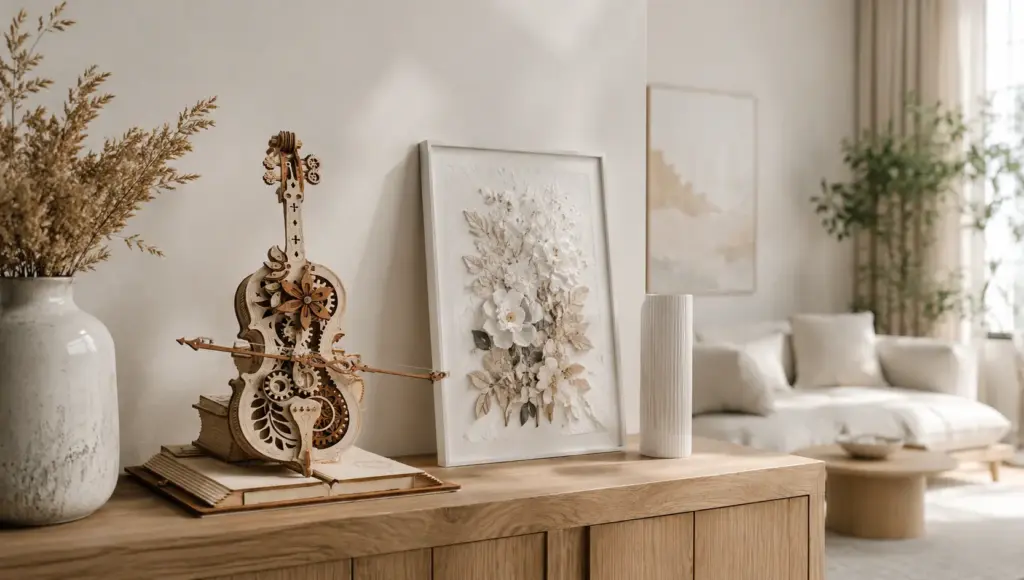
Why Personalized Spaces Are Replacing Perfectly Coordinated Interiors
Interior trends increasingly favor spaces that feel collected over time rather than instantly assembled. People want homes that reflect interests, routines, and creative identity instead of following a single showroom aesthetic.
That shift explains why personalized handmade decor feels so relevant right now.
Objects connected to hobbies naturally create stronger emotional context inside interiors. A carefully assembled model, a detailed artistic project, or a handcrafted decorative piece often carries more visual meaning than generic accessories because it reflects time and involvement.
Interestingly, this trend also changes how imperfections are perceived. Slight irregularities in handmade work can make interiors feel more authentic rather than less refined — especially when surrounded by balanced styling and thoughtful composition.
The growing popularity of bespoke interiors is less about luxury and more about individuality. Spaces no longer need to look universally perfect. They simply need to feel coherent, intentional, and personally meaningful.
That’s why handmade decor trends continue moving away from “craft room aesthetics” toward more editorial-style interior styling.
Frequently Asked Questions About Handmade Home Decor Trends
Handmade interiors often raise practical styling questions, especially when mixing DIY pieces with modern design aesthetics.
How do you make handmade decor look more professional?
Careful placement, balanced spacing, cohesive textures, and proper framing usually make handmade decor feel more polished and intentional inside modern interiors.
Are handmade decor trends still popular in minimalist homes?
Yes. Handmade pieces often soften minimalist spaces by adding texture, warmth, and individuality without overwhelming the overall design.
What colors work best with handmade interior styling?
Neutral palettes, earthy tones, muted textures, and natural materials usually complement handmade decor more effectively than highly saturated color schemes.
Why do handcrafted interiors feel more personal?
Handmade decor reflects process, creativity, and individual interests, which naturally makes interiors feel more authentic and less standardized.
Can different handmade styles work together in one room?
Yes, but visual balance matters. Consistent textures, repeated materials, and controlled spacing help different handmade elements feel cohesive instead of chaotic.
Handmade Hobby Projects That Naturally Fit Modern Interiors
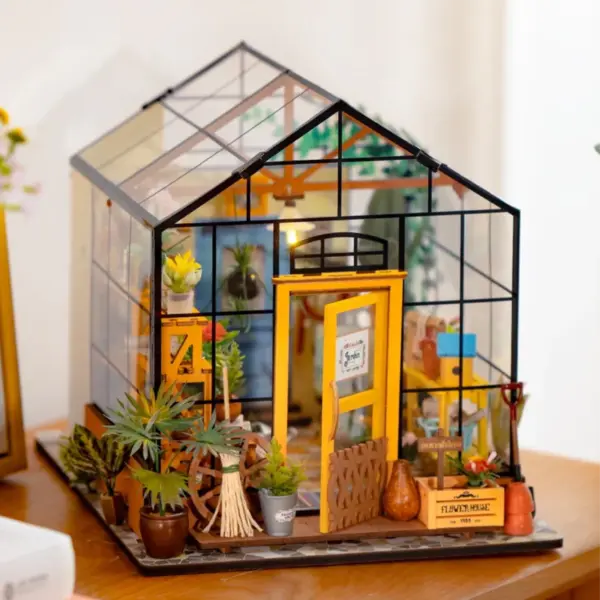
Many creative hobby formats now blend naturally into contemporary interiors thanks to their texture, craftsmanship, and display-friendly aesthetics.
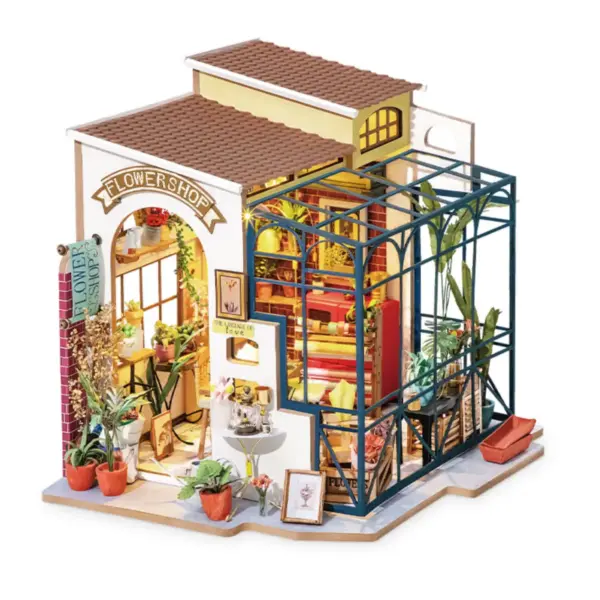
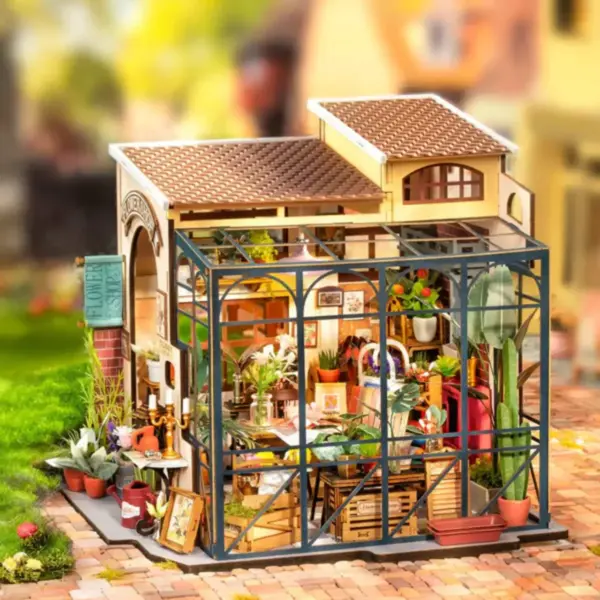
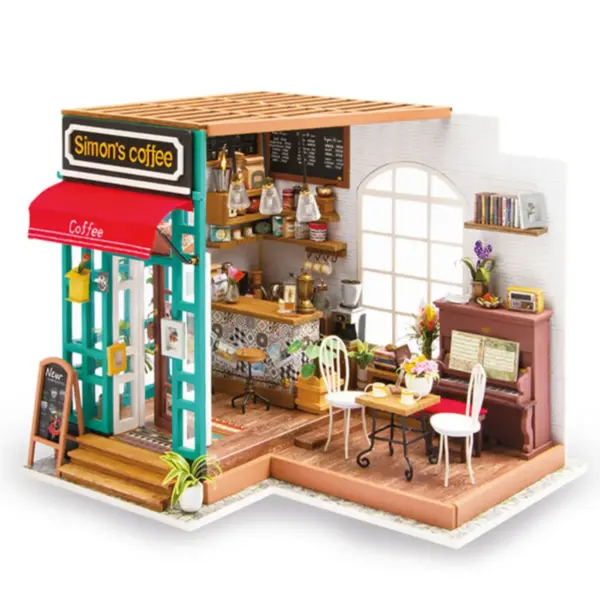
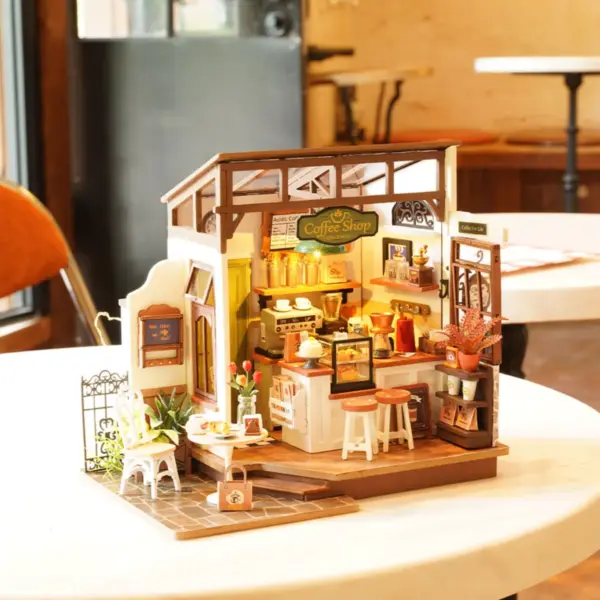
Handmade Interiors Feel More Human When Styling Stays Intentional
The strongest handmade interiors rarely rely on quantity. They work because every object contributes texture, personality, and visual rhythm without overwhelming the space.
As handmade home decor trends continue evolving, the focus is shifting away from perfection and toward authenticity. Rooms feel more memorable when they contain objects connected to creativity, craftsmanship, and personal interests — especially when those pieces are styled with restraint and balance.
A thoughtfully finished DIY project can easily become part of a sophisticated interior atmosphere when it’s treated as a meaningful design element rather than background decoration.